

- by MJM Cleaning
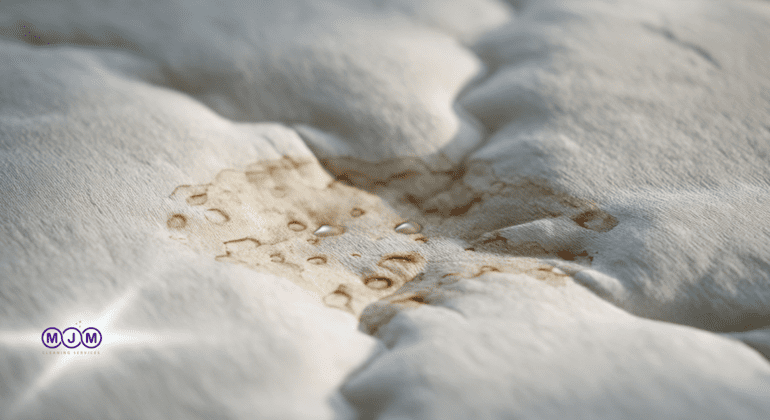
Dealing with a pee stain on your mattress can feel stressful, whether it comes from kids, pets, or accidental spills. The good news? You can restore your mattress to a clean, fresh, and odor-free condition with the right methods. This guide explains everything in simple, detailed steps suited for households, covering stain removal, odor neutralizing, deep cleaning, and long-term protection.
Why Pee Stains Need Immediate Attention
Pee stains on a mattress may seem like a simple surface problem, but the effects begin the moment urine touches the fabric. Urine is a complex mixture of water, salts, bacteria, and organic compounds that quickly absorb into the mattress layers. When left untreated, these components can cause permanent staining, unpleasant odors, bacterial growth, and long-term damage to the mattress structure. Understanding why quick action matters can help you prevent bigger problems.
Creates Deep Yellow Stains
When urine dries, its proteins and acids react with air and oxidize. This process turns a light stain into a darker yellow or brown mark that becomes increasingly difficult to remove. Mattresses are highly absorbent, so urine sinks into multiple layers within minutes. The longer it sits, the more the stain bonds with the fibers, making complete removal far more challenging.
Leaves Long-Lasting, Persistent Odors
Dried urine doesn’t simply disappear when the mattress dries. As the liquid evaporates, it leaves behind uric acid crystals. These crystals trap odor molecules that can reactivate whenever the mattress is warmed—like when someone sleeps on it—or when there’s humidity in the air. This is why even old pee stains can release strong odors over time. Treating the stain immediately helps prevent these crystals from forming, keeping your mattress fresh.
Encourages Bacterial Growth
Since urine contains natural bacteria, it quickly becomes a breeding ground once absorbed into the warm, dark layers of a mattress. Over time, this can lead to unwanted microbial growth that may cause:
- Musty or sour smells
- Skin irritation
- Allergic reactions
- Poor indoor air quality
Removing urine right away helps eliminate bacteria before it multiplies deep inside the mattress.
Damages Mattress Materials
Mattresses are not designed to hold moisture for long periods. When urine seeps into foam or padding:
- Salts and acids can break down the material
- Moisture can cause sagging or soft spots
- Inner layers may deteriorate faster
- Box springs or components may rust if moisture spreads deeply
Addressing a stain immediately helps maintain the comfort, support, and lifespan of your mattress.
Causes Lingering Odors Even After Drying
Even if the stain dries, the smell often remains. Dried urine forms crystals that continue to release odor over time. Heat from the body, warm weather, or humidity can intensify the smell, making it reappear even after weeks or months. Only proper cleaning not just drying removes these odor-causing compounds completely.
Attracts Allergens and Dust Mites
Urine residue can attract dust mites, mold spores, and other allergens. This is especially concerning for individuals with allergies, asthma, or sensitive skin. A mattress that isn’t cleaned quickly may become less hygienic, leading to discomfort or nighttime breathing issues.
How to Remove Fresh Pee Stains from a Mattress (Most Effective Method)
Fresh stains are easier to clean. Follow these steps:
1. Blot the Area (Do Not Rub)
- Use clean paper towels or a dry absorbent cloth.
- Press firmly to soak up as much urine as possible.
- Continue until the spot feels only slightly damp.
2. Mix a Simple Cleaning Solution
In a spray bottle, combine:
- 2 cups of cold water
- 1 cup of white vinegar
- 2–3 tablespoons baking soda
Shake until fully dissolved. This solution breaks down urine enzymes and neutralizes odors.
3. Spray Generously
- Saturate the stained area.
- Allow the solution to penetrate deep into the mattress fibers.
- Avoid oversoaking, but make sure the stain is fully covered.
4. Let It Sit for 10–15 Minutes
This resting time helps break down fresh urine before it sets.
5. Blot Again
Use a clean dry cloth to lift out moisture and remaining urine.
6. Deodorize with Baking Soda
- Sprinkle a thick layer of baking soda over the area.
- Leave it for 8–12 hours, or overnight for best results.
- Baking soda pulls out moisture and absorbs all remaining odors.
7. Vacuum Thoroughly
Use a handheld or upholstery vacuum to remove all baking soda residues.
How to Remove Old, Dried Pee Stains from a Mattress
Old stains require enzyme-based cleaning because the urine has already crystallized.
1. Use an Enzyme Cleaner
These cleaners are commonly available in the USA at Walmart, Target, Home Depot, PetSmart, Amazon, etc.
Look for products labeled:
- Pet urine enzyme remover
- Bio-enzymatic cleaner
- Odor eliminator
Why enzymes? They break down uric acid crystals that cause lingering smells.
2. Apply Generously
- Spray until the mattress is damp.
- Allow it to soak for 15–30 minutes for deeper penetration.
3. Blot and Dry
- Press with clean towels.
- If needed, place a fan nearby or open windows for faster drying.
4. Reapply for Stubborn Spots
Old stains often need 2–3 enzyme applications.
5. Finish with Baking Soda
Sprinkle over the area, let sit overnight, and vacuum.
Best Way to Clean a Mattress Overall (Deep Cleaning Method)
If you want a full mattress refresh — not only spot stain removal but a complete hygienic reset — the deep-clean method below will get your mattress looking, smelling, and feeling like new. This is a step-by-step, practical routine used by pros and homeowners alike. It covers what to use, how to treat different mattress materials, safety tips, drying strategies, and troubleshooting for stubborn smells or stains.
What you need
- Baking soda (sodium bicarbonate) — deodorizer and moisture absorber
- Mild laundry detergent or gentle dish soap — for general surface cleaning
- White vinegar — breaks down proteins and neutralizes odors
- Enzyme cleaner — essential for urine/biological stains and odors (pet or human)
- Hydrogen peroxide (3%) — for stubborn organic stains (use carefully)
- Vacuum cleaner with upholstery attachment — removes loosened debris and baking soda
- Spray bottle, microfiber cloths, clean towels, soft-bristled brush or sponge
- Fan, dehumidifier, or access to sunlight for drying
- Optional: handheld steamer (use sparingly on non-foam mattresses)
Preparation: set up and safety
- Strip the bed. Remove sheets, mattress protectors, mattress toppers, pillowcases, and wash them in the hottest water safe for the fabric.
- Work in a ventilated area. Open windows or run a fan to remove cleaning fumes and speed drying.
- Check manufacturer care instructions. If you have memory foam, latex, or a high-end hybrid, read the label — some foams are sensitive to water and heat.
- Spot test. Before using hydrogen peroxide or enzyme cleaners, test a hidden area for colorfastness.
Step-by-step deep clean
1. Vacuum the entire mattress (thoroughly)
- Attach the upholstery tool and go slowly. Vacuum the top, sides, seams, and edges.
- Pay special attention to creases and stitching where dust and skin cells collect.
- Vacuuming first prevents you from driving debris deeper when you apply liquids.
2. Spot-treat stains (targeted treatments)
Different stains call for different solutions. Treat these before you clean the whole surface.
- Urine / pee: Apply a bio-enzymatic cleaner to fully penetrate the spot (follow product directions). Let it sit 10–30 minutes, then blot with a clean towel. Repeat if the odor persists.
- Sweat / body oils: Spray a 1:1 mix of white vinegar and water lightly, blot, then sprinkle baking soda after drying for odor removal.
- Blood: Use cold water to blot first. For persistent marks, dab 3% hydrogen peroxide — it will fizz and lift blood. Blot and avoid rubbing.
- Food/drink: Use a small amount of dish soap diluted in warm water; blot outwards from the stain to avoid spreading.
Always blot — don’t rub. Rubbing pushes stains deeper and damages fibers.
3. Surface clean with a mild soap solution
- Mix warm water with a teaspoon or two of mild laundry detergent or dish soap in a bowl. You want a gentle, sudsy mix — not a soaking solution.
- Dampen (don’t saturate) a microfiber cloth or sponge in the mix, wring it out until just slightly damp, and gently wipe the mattress in circular motions across the surface.
- Work in sections and re-rinse the cloth frequently. The goal is to lift oils and surface grime, not to wet the mattress.
Special note for memory foam / latex: Use minimal moisture. Wring cloths extremely well and avoid soaking the foam. For these types, spot clean only and rely more on baking soda deodorizing and sunlight/airing.
4. Neutralize odors and deep-deodorize with baking soda
- After spot treatments and surface wiping, liberally sprinkle baking soda over the entire mattress surface. For heavy odors concentrate more on problem areas.
- Optional: For extra deodorizing power, add a few drops of an essential oil (lavender/lemon) to the baking soda and mix gently — only if you and household members aren’t sensitive to fragrances.
- Leave the baking soda to work for at least 10 hours; for stronger smells, let it sit 12–24 hours. Baking soda absorbs moisture, oils, and odor molecules, and the longer it sits, the deeper it works.
5. Vacuum again (remove all baking soda)
- Vacuum the surface thoroughly to remove all baking soda residue. Go slowly and repeat passes to ensure no powder remains trapped in seams.
- This second vacuum removes loosened grime and leaves the mattress feeling fresher and lighter.
6. Optional sanitizing / deodorizing boost
Choose one appropriate for your mattress type:
- Sunlight airing: If weather and home allow, stand the mattress upright (with help) in direct sunlight for 2–4 hours. UV light naturally reduces bacteria and dries residual moisture.
- Handheld steamer: Use very lightly on innerspring or latex encased mattresses — avoid steam on memory foam. Keep the steamer moving and never oversaturate.
- Fabric-safe disinfectant: Lightly mist with a spray labeled safe for upholstery if you want a chemical sanitizing step. Ensure full drying afterward.
7. Dry thoroughly before remaking the bed
- Ensure the mattress is completely dry before replacing bedding. Dampness promotes mold and mildew.
- Speed drying tips: use a fan(s), run a dehumidifier, point fans along seams and edges, and keep the room door/window open if possible. In high-humidity regions, consider using a dehumidifier for several hours.
- For deep cleaning with some moisture, expect several hours to a full day to dry depending on ventilation and mattress type.
Special care by mattress type
- Innerspring/hybrid: More tolerant of light steam and cleaning; still avoid heavy soaking. Good candidates for sunlight airing.
- Memory foam: Sensitive to water — spot clean only, minimal moisture, rely on baking soda and airing. Never saturate.
- Latex: Similar to memory foam — use minimal water; sunlight airing and baking soda are safest.
- Pillow-top: Treat the top like fabric — more absorbent. Extra caution with liquids; long baking soda treatment helps.
- Organic/natural fibers: Follow manufacturer care; these may require professional cleaning.
Troubleshooting & stubborn issues
- Persistent urine smell after cleaning: Reapply an enzyme cleaner and allow 24–48 hours; enzymes need time to digest uric acid crystals. Avoid masking scents with perfumes — you must remove the source.
- Yellow stains remain visible: Hydrogen peroxide can help lift organic yellowing. Use a 3% solution and blot; do a patch test first. Repeated applications may be necessary, but be cautious with colored fabrics.
- Mold or mildew after a past wetting: If you see visible mold or a strong musty smell, seriously consider professional cleaning or mattress replacement — mold can be a health hazard.
- Residue after vacuuming baking soda: Use multiple vacuum passes and focus on seams. A clean vacuum filter increases suction effectiveness.
Frequency & maintenance plan
- Monthly: Vacuum the mattress surface and lightly sprinkle baking soda (leave a few hours, then vacuum).
- Quarterly: Deep cleaning routine (vacuum, spot-treat, surface clean, baking soda overnight, vacuum).
- Immediately: Treat any spills or accidents as they happen to prevent permanent stains.
- Annually: Rotate or flip the mattress if recommended by manufacturer; consider professional cleaning for high-use mattresses or allergy sufferers.
Final tips
- Use a waterproof mattress protector to stop most liquid accidents from reaching the mattress. It’s the single best prevention step.
- Avoid harsh chemicals, bleach, or strong detergents — they can damage fibers and foams.
- If in doubt for high-value mattresses, check the warranty and manufacturer guidance — some warranties are voided by improper cleaning.
- When the mattress is beyond saving (persistent odors, mold, structural damage), replacement is the healthiest option.
Conclusion
Pee stains on a mattress may seem like a big problem, but they’re easy to handle with the right steps. Whether fresh or dried, a combination of vinegar, baking soda, hydrogen peroxide, and enzyme cleaners can restore your mattress to a clean, odor-free condition.
If you clean quickly and use protective covers, your mattress will stay hygienic, comfortable, and long-lasting.