
A deep cleaning is a thorough, top-to-bottom scrub that reaches every surface standard cleaning misses — inside appliances, behind furniture, along baseboards, and deep into grout lines. Minnesota homes need deep cleaning more than most. Five months of sealed-up windows trap dust and allergens indoors. Road salt grinds into entryway floors. And by the time spring arrives, your home has been breathing its own recycled air since October.
Whether you tackle this yourself or hire a professional deep cleaning service in Wayzata, MN, this room-by-room checklist covers every task. Print it, bookmark it, or hand it to your cleaning team. Our owner Tania Gordon built this list from thousands of deep cleans across the Lake Minnetonka area — it’s the same checklist our MJM crews use in the field.
What Is Deep Cleaning vs. Standard Cleaning?
Deep cleaning is an intensive, reset-level service that targets buildup, grime, and hidden dirt in areas that routine cleaning doesn’t reach — inside your oven, behind the refrigerator, along window tracks, and underneath furniture. Standard cleaning maintains what’s already clean. Deep cleaning restores what’s been neglected.
Think of it this way: standard cleaning is brushing your teeth. Deep cleaning is a dental cleaning — you need both, but they serve different purposes.
| Feature | Standard Cleaning | Deep Cleaning |
|---|---|---|
| What it covers | Visible surfaces and floors | Every surface — visible and hidden |
| Inside appliances | Exterior wipe-down only | Inside oven, fridge, microwave, dishwasher |
| Behind/under furniture | No | Yes — moved and cleaned behind |
| Baseboards & vents | Light dusting | Scrubbed, wiped, detail-cleaned |
| Window tracks & sills | No | Yes — tracks scraped and wiped |
| Grout & tile | Surface mopping | Scrubbed and treated |
| Light fixtures | Dusted | Removed, washed, replaced |
| Recommended frequency | Weekly or bi-weekly | Every 3–6 months |
| Average time (3BR) | 2–3 hours | 4–6 hours |
| Cost range (Wayzata area) | 180–280 | 300–500+ |
Your Complete Deep Cleaning Checklist — Room by Room
This is the checklist our MJM team follows. Every item includes a brief note on why it matters — because knowing the reason helps you prioritize if you’re doing this yourself.
Kitchen Deep Cleaning Checklist
The kitchen harbors more bacteria than any other room. A 2022 NSF International study found that kitchen sponges, sink drains, and countertops carry more germs than the average toilet seat. That alone makes the kitchen the highest-priority room in any deep clean.
☐ Pull out the refrigerator and clean behind it — Dust and grease accumulate on coils, reducing efficiency and creating a fire risk
☐ Clean refrigerator coils — Dirty coils force your fridge to work 25% harder, raising your electric bill
☐ Empty the fridge and wipe every shelf, drawer, and door bin — Remove expired items and sanitize surfaces where food sits
☐ Deep clean inside the oven — Baked-on grease releases smoke and odors every time you cook
☐ Clean the range hood and filter — Grease-clogged filters are a kitchen fire hazard
☐ Scrub the stovetop, including burner grates and drip pans — Burnt residue builds up slowly but becomes a permanent stain if ignored
☐ Clean inside the microwave — Food splatter hardens and becomes a bacteria breeding ground
☐ Run a cleaning cycle on the dishwasher — Mineral buildup from Minnesota’s hard water reduces cleaning performance
☐ Scrub the sink basin, drain, and faucet base — The sink drain is the germiest spot in most homes
☐ Wipe down all cabinet fronts and handles — Grease from cooking hands transfers to every handle, every day
☐ Clean inside frequently used cabinets and drawers — Crumbs and dust settle inside over months
☐ Degrease the backsplash — Cooking splatters coat tile and grout in a thin layer of oil
☐ Scrub countertop grout lines — Grout absorbs spills and darkens over time
☐ Clean the top of the refrigerator — Out of sight, rarely cleaned, usually coated in sticky grease-dust
☐ Wipe down small appliances — Toaster, coffee maker, blender — the exterior surfaces nobody thinks to clean
☐ Wash the kitchen trash can — The can itself builds up residue even with a liner
☐ Clean light fixtures and under-cabinet lights — Grease film dims your kitchen lighting significantly
Bathroom Deep Cleaning Checklist
Bathrooms combine moisture, warmth, and organic matter — the perfect environment for mold and bacteria. A deep clean here isn’t just about aesthetics. It’s about health.
☐ Scrub shower tile grout line by line — Grout absorbs soap scum and develops mold that surface spraying won’t reach
☐ Remove and clean shower door tracks — Standing water in tracks breeds mold and black mildew
☐ Descale showerheads — Mineral deposits from Minnesota’s hard water reduce water pressure and harbor bacteria
☐ Deep clean the toilet — inside bowl, base, hinges, and behind — The base and hinge area are frequently missed and collect the most bacteria
☐ Scrub the bathtub drain and overflow cover — Hair and soap buildup creates slow drains and odors
☐ Clean exhaust fan cover — A dust-clogged exhaust fan can’t remove moisture, leading to mold growth
☐ Wipe down all cabinet interiors — Moisture seeps in and creates sticky residue under toiletries
☐ Clean mirrors edge-to-edge, including the frame — Most people clean the glass but miss the frame where dust collects
☐ Scrub countertops and backsplash grout — Toothpaste, soap, and water spots build up at seams
☐ Disinfect light switches and door handles — Touched constantly with wet hands, rarely sanitized
☐ Wash or replace shower curtain and liner — Liners develop mold within 3–4 weeks in humid bathrooms
☐ Clean towel bars, hooks, and toilet paper holder — Moisture causes hidden grime on mounting hardware
☐ Scrub floor tile grout on hands and knees — Floor grout darkens gradually and a mop won’t restore it
☐ Wipe down walls, especially near the toilet and tub — Splash zones collect more than you’d expect
☐ Empty and organize under-sink cabinet — Check for leaks, discard expired products, wipe shelf surfaces
Bedroom Deep Cleaning Checklist
Bedrooms collect dust steadily — the average person sheds about 1.5 grams of skin per day, most of it in bed. Add pet dander, pollen tracked in from outside, and five months of closed Minnesota windows, and your bedroom is overdue.
☐ Flip or rotate the mattress — Extends mattress life and prevents body-impression sagging
☐ Vacuum the mattress surface — Removes dust mites, dead skin cells, and allergens trapped in fabric
☐ Wash all bedding, including mattress protector and pillow protectors — Pillows accumulate sweat, oil, and dust mite waste
☐ Dust the headboard and bed frame (including slats) — Bed frames collect dust bunnies where the frame meets the wall
☐ Move furniture and vacuum underneath — Under the bed is the dustiest spot in most bedrooms
☐ Dust and wipe nightstands, dressers, and all surfaces — Include the sides and backs of furniture against walls
☐ Clean closet shelves, rods, and floor — Closets trap airborne dust with every door opening
☐ Wipe down light fixtures and ceiling fan blades — Fan blades fling accumulated dust across the room every time they spin
☐ Vacuum or clean window treatments — Curtains and blinds act as dust traps, especially in winter
☐ Clean mirrors and glass surfaces — Include picture frame glass, which hazes over time
☐ Wipe baseboards around the entire room — Baseboards collect a visible dust line in MN homes by mid-winter
☐ Dust and organize the top of dressers and bookshelves — Flat surfaces high up collect dust fastest because nobody wipes them
Living Room & Common Areas Checklist
☐ Move sofas and chairs to vacuum underneath — Months of crumbs, pet hair, coins, and dust accumulate underneath
☐ Vacuum under couch cushions — Pull cushions off and vacuum the frame, crevices, and sides
☐ Dust all shelving, mantel, and decorative items — Remove items, dust the shelf, then dust each item individually
☐ Clean ceiling fan blades — Use a pillowcase to trap dust inside as you wipe each blade
☐ Wipe down all electronics — TV screens, remotes, gaming consoles, and speaker surfaces collect fingerprints and dust
☐ Clean window blinds slat by slat — Blinds collect more dust per square inch than almost any other surface
☐ Vacuum or deep clean upholstered furniture — Fabric absorbs odors, pet dander, and allergens over time
☐ Spot-clean walls and doors — Fingerprints, scuffs, and pet marks accumulate at hand and nose height
☐ Clean all lampshades — Dust clings to fabric shades and reduces light output
☐ Deep clean carpets or area rugs — Professional extraction removes dirt that vacuuming leaves behind
☐ Wipe all baseboards and trim — Use a damp microfiber cloth — dry dusting just moves particles around
☐ Clean air vents and return registers — Remove covers, wash them, and vacuum the duct openings
Entryway, Mudroom & Hallways
This section is critical for Minnesota homes. Your entryway takes the worst beating of any room — road salt, snowmelt, mud, sand, ice melt chemicals, and wet boots cycle through here from November through April.
☐ Deep clean boot trays and shoe storage — Salt residue corrodes trays and creates white mineral stains on floors
☐ Scrub entry tile or hardwood — Road salt crystals grind into floor finishes with every step
☐ Wash or replace entry mats — A saturated mat stops absorbing moisture and starts spreading it
☐ Clean the coat closet — shelf, rod, and floor — Wet outerwear drips onto closet floors all winter
☐ Wipe walls at high-touch height — Glove marks, coat zippers, and wet hands leave marks along entry walls
☐ Clean light switches, thermostat, and alarm keypad — The first things touched with dirty hands when walking in
☐ Vacuum hallway runners and stair carpet — High-traffic areas grind dirt into carpet fibers faster than any room
☐ Wipe down handrails and banisters — Every person, every trip up and down — these are germ highways
☐ Clean the front door — inside and out — Salt spray, fingerprints, and weather exposure discolor doors fast in MN
Laundry Room & Utility Areas
☐ Clean the lint trap AND the dryer vent duct — Lint buildup in dryer vents causes 2,900 house fires per year in the U.S. (NFPA)
☐ Run a cleaning cycle on the washing machine — Front-loaders especially develop mold and musty odors around the gasket
☐ Clean the rubber gasket on front-load washers — Pull back the seal and wipe out trapped moisture, hair, and mildew
☐ Wipe down the washer and dryer exteriors — Detergent drips and lint dust coat surfaces
☐ Organize and wipe shelves above the machines — Detergent spills leave sticky residue
☐ Sweep and mop the floor, including behind machines — Lint, dust, and lost socks gather behind the washer and dryer
☐ Clean the utility sink — Utility sinks get neglected because they’re “not the kitchen”
☐ Check and clean the furnace filter area — Not a cleaning task per se, but checking during deep cleaning saves you a service call later
Bonus: Often-Forgotten Spots
These are the spots most people — and most cleaning companies — skip entirely. Our MJM team checks every one.
☐ Light switch plates and outlet covers — Touched dozens of times daily, cleaned almost never
☐ Door handles and knobs throughout the house — The CDC identifies doorknobs as a top germ transmission surface
☐ The tops of door frames and window frames — Run your finger across one right now. You’ll see why.
☐ Behind toilets (the floor area between the toilet and wall) — Moisture and dust create sticky buildup
☐ Under the kitchen sink and bathroom sink — Check for leaks, wipe down pipes, and clean the cabinet floor
☐ Baseboards behind doors — The strip of baseboard behind an open door is the last place anyone cleans
☐ Vent covers and cold air returns — Remove, soak in soapy water, dry, and replace. The difference is visible.
☐ Ceiling fan blades (top side) — The top side of a fan blade can hold a solid layer of dust a quarter-inch thick
☐ Inside the garbage disposal — Ice cubes and salt clear the blades. Lemon rinds deodorize.
☐ Dishwasher door edge and gasket — Food residue hides in the rubber seal and the bottom door edge
How Often Should You Deep Clean Your Minnesota Home?
Most Minnesota homes benefit from a professional deep clean every three to six months — but your household type and lifestyle shift that number. Here’s a simple guide.
| Household Type | Recommended Frequency | Why |
|---|---|---|
| Single professional, no pets | Every 6 months | Lower traffic, less buildup |
| Couple, no kids or pets | Every 4–6 months | Moderate use, seasonal resets |
| Family with young kids | Every 3–4 months | Spills, crumbs, sticky surfaces, floor play |
| Pet owners (1–2 pets) | Every 3 months | Hair, dander, tracked-in dirt, odor buildup |
| Pet owners (3+ pets) | Every 2–3 months | Accelerated dander and hair accumulation |
| Allergy or asthma sufferers | Every 2–3 months | Dust mites, pollen, and mold spores accumulate indoors |
| Home with smokers | Every 2–3 months | Nicotine residue coats surfaces and circulates through HVAC |
Minnesota’s seasons create natural deep cleaning triggers:
- Spring (March–April): The big one. Post-winter recovery — salt residue, dust from sealed homes, window cleaning after months shut
- Summer (July): Humidity peaks invite mold. Pollen counts spike. Time for an allergen reset.
- Fall (September–October): Pre-winter prep. Get the house clean before locking up for the cold months
- Winter (January): Mid-winter refresh. You’ve been sealed up for 3 months. Your indoor air quality is suffering.
5 Signs Your Home Needs a Deep Clean Right Now
1. You can see dust on your ceiling fan blades from below. If the dust is visible from ground level, those blades are sending particles across your room every time you flip the switch. In MN winter, when your home is sealed up, that dust recirculates through every room.
2. Your bathroom grout has changed color. White grout that’s turned gray or pink isn’t just dirty — it’s growing mold. Surface cleaning won’t fix it. You need hands-and-knees scrubbing with a proper grout cleaner.
3. There’s a musty smell you can’t locate. If your home has a persistent stale or musty odor — especially after winter — it’s likely trapped in carpets, upholstery, or hidden behind furniture. Minnesota’s sealed-up winter homes are notorious for this.
4. You notice more dust within 24 hours of regular cleaning. When dust reappears that fast, it means your HVAC system is circulating particles from dirty vents, registers, and ductwork. A deep clean that includes vent covers helps break the cycle.
5. Your entryway floor feels gritty even after mopping. Road salt crystals and sand embed themselves into floor finishes during Minnesota winters. Regular mopping pushes them around. Deep cleaning means getting on your knees and scrubbing the minerals out of grout lines and floor texture.
DIY Deep Cleaning vs. Hiring a Professional — When to Call MJM
Let’s be honest: you can deep clean your own home. Plenty of people do, and this checklist is designed to help you do it well.
DIY makes sense when:
- You have a smaller home (under 1,500 sq ft)
- You enjoy cleaning and have a free weekend
- You want to save money and don’t mind spending 8–12 hours
- Your home just needs a moderate refresh, not a heavy-duty reset
Hiring a professional makes sense when:
- Your home hasn’t been deep cleaned in 6+ months
- You’d rather spend Saturday with your family than scrubbing oven interiors
- You have physical limitations that make reaching, bending, or kneeling difficult
- You want the job done in 4–6 hours instead of an entire weekend
- You need professional-grade equipment (steam cleaners, commercial degreasers, HEPA vacuums)
Tania Gordon puts it simply: “We bring the tools, the products, and the team — so what takes you a full weekend takes us half a day. And we reach the spots you didn’t know were dirty.”
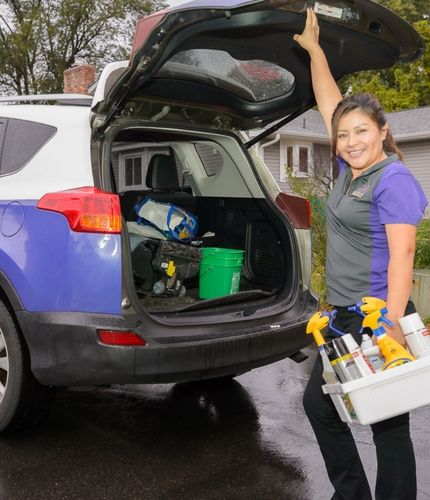
Our MJM crew deep cleans in teams of two or three, depending on home size. We use commercial-grade HEPA vacuums, professional steam cleaners, and eco-conscious products that are safe for kids and pets. Every visit follows this exact checklist — nothing gets skipped.
Frequently Asked Questions
How long does a deep cleaning take?
A professional deep cleaning for a standard 3-bedroom Minnesota home takes 4 to 6 hours with a two-person team. Larger homes or homes that haven’t been deep cleaned in over a year may take 6 to 8 hours. Size, condition, and number of bathrooms are the biggest time factors.
How much does deep cleaning cost in Wayzata, MN?
Deep cleaning in the Wayzata and Minnetonka area typically ranges from 300to500+ for a standard 3-bedroom home. Pricing depends on square footage, home condition, number of bathrooms, and add-on services. Contact MJM at 1-800-999-9084 for a personalized quote — there’s never an obligation.
What’s included in a professional deep cleaning?
A professional deep cleaning covers everything in a standard clean plus inside appliances, behind and under furniture, detailed baseboard and vent scrubbing, grout cleaning, window track detailing, ceiling fan blades, and light fixture washing. Our full checklist above covers every task our team performs.
Should I deep clean before or after moving?
Both, ideally. Deep clean before moving in to remove the previous occupant’s dust, allergens, and bacteria. Deep clean after moving out to meet landlord inspection standards and protect your security deposit. If you can only choose one, clean before you move in — your health comes first.
How do I prepare for a deep cleaning appointment?
Pick up personal items, toys, and clothes from floors and surfaces. Clear countertops of dishes and small items. Secure valuables and fragile items. The goal is to give your cleaning team clear access to every surface so they spend their time scrubbing, not navigating clutter.
Is deep cleaning worth it?
Absolutely. Beyond the obvious visual improvement, deep cleaning removes allergens, bacteria, and mold spores that contribute to respiratory issues and allergies. The American Lung Association recommends regular deep cleaning to maintain healthy indoor air quality — especially in climates like Minnesota where homes stay sealed for months.
Your Home Deserves a Fresh Start
I built this checklist from years of deep cleaning homes across Wayzata, Minnetonka, and Plymouth. It’s the same one my team carries on every job. If you want to use it yourself, we’re glad it helps. Print it, tape it to the fridge, and check off every box.
But if you’d rather hand that list to someone else and come home to a house that looks and smells like it just took a deep breath — that’s exactly what we do.
Not sure if you need a deep clean or a standard clean? Call us at 1-800-999-9084 — we’ll help you figure out exactly what your home needs. No pressure, no upsell. Just honest advice from someone who lives and works right here in the neighborhood.
Request your free estimate online →
— Tania Gordon, Owner, MJM Cleaning Service